



audi vehicle protection plan comparison guide for risk-aware owners

What it is, and what it isn't

The plan is an extended service contract designed to pay for covered repairs after the factory warranty ends. It is not collision or liability insurance, and it won't replace routine maintenance. Think of it as a risk-sharing tool: you trade a known cost now for potential relief from uncertain, possibly large, repair bills later.

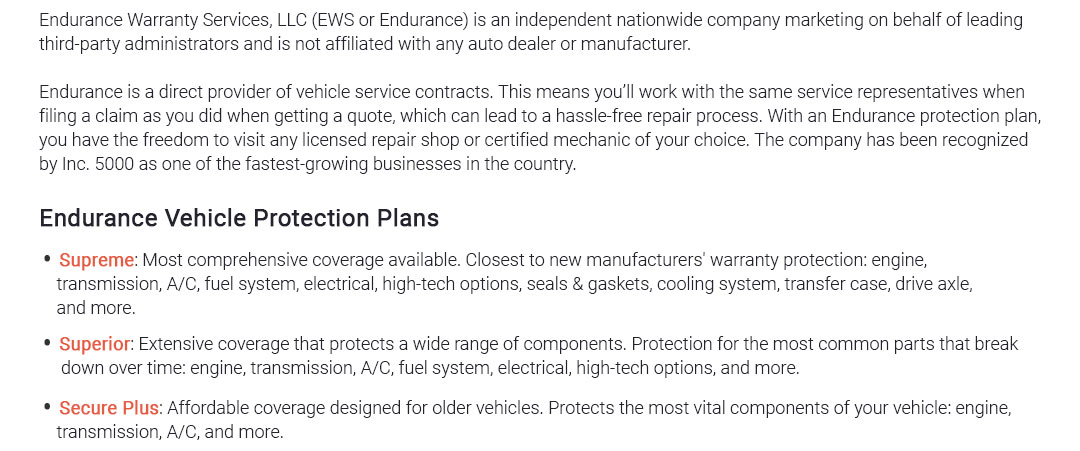
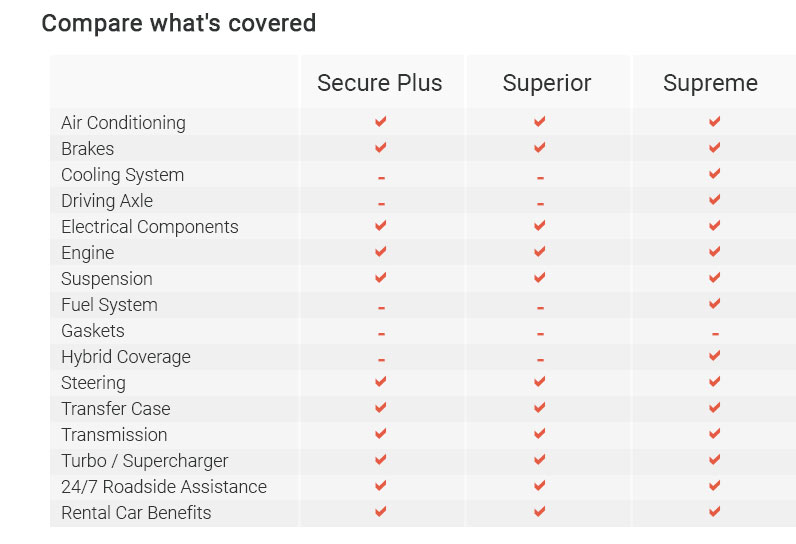
Coverage areas commonly offered

  • Powertrain: engine, turbo/supercharger, transmission, AWD components.
  • High-voltage and electronics: infotainment/MMI screens, control modules, backup cameras, some driver-assist components.
  • Comfort systems: air conditioning, heated seats, window regulators, sunroof mechanisms.
  • Chassis: adaptive dampers, air suspension parts, steering racks.
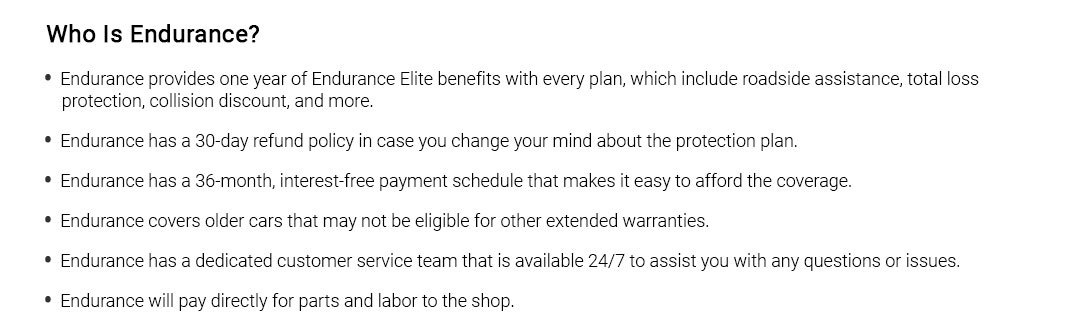
  • Convenience: roadside assistance, rental car, trip interruption (varies by plan).

What's usually excluded

  • Wear items such as brake pads, rotors, wipers, clutches (unless a specific plan says otherwise).
  • Maintenance: oil changes, filters, spark plugs, tires.
  • Cosmetic issues: interior trim, paint, glass chips.
  • Pre-existing conditions and failures caused by neglect, racing, or non-approved modifications.

Audi-backed vs third-party vs self-funding

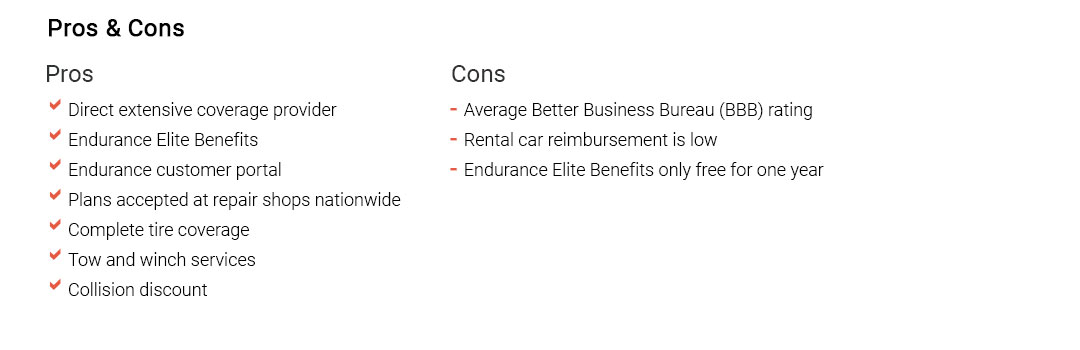
Audi-backed plans tend to integrate smoothly with dealer systems and use OE parts, with clearer parts/labor rates and better transferability. Reputable third-party contracts can cost less and allow independent shop repairs, but require careful reading for labor-rate caps and claim steps. Self-funding (setting aside savings) keeps control and avoids fine print, yet demands discipline and tolerance for large, sudden expenses.

Temper expectations: even the best plan will ask for proper maintenance records and may deny borderline cases; that's not malice, it's how contracts work.

Costs, caps, and value math

Value depends on the likelihood and severity of failures in your specific Audi (powertrain, tech load-out, mileage, driving conditions). Hybrid and high-tech trims carry higher repair volatility, which can make coverage more compelling.

  1. Estimate likely repairs you'd face over the term (e.g., MMI unit, air suspension component, water pump, sensor suite recalibration).
  2. Add deductibles and any diagnostics that may not be reimbursed.
  3. Compare the total to the plan price, then factor time value and transfer value at resale.
  4. Check per-visit and aggregate caps; generous coverage with tight caps may still underdeliver.

Usability: day-to-day practicality

  • Claims flow: simpler with pre-authorization, clear labor guides, and direct billing to the shop.
  • Choice of shop: Audi-backed usually steers to dealers; third-party may allow qualified independents - ask about OE vs reman parts.
  • Transfer/cancel: transferable plans can boost resale; partial refunds for early cancellation are common but prorated.
  • Deductible style: per-visit vs per-component changes how stacked repairs feel at the counter.

Reality check: you may wait for adjuster approval; diagnostic time can be disputed; rental benefits have daily and total limits.

A brief real-world moment

On a late Sunday near Flagstaff, the MMI went dark and the HVAC controls froze. One call to the plan's roadside number brought a tow to a nearby dealer by morning. The claim was approved after diagnosis, I paid a $100 deductible, and the rest was covered. Not dramatic, but it prevented a multi-hundred-dollar surprise on a road trip.

Risk notes for modern Audi tech

  • ADAS calibration: a simple sensor replacement can trigger alignment and calibration steps that add hours of labor.
  • Turbo cooling/oil supply: minor leaks, if ignored, become major failures; plans may decline if maintenance intervals were stretched.
  • Air suspension: airbags and compressors fail intermittently; coverage terms for "wear" vs "failure" matter.
  • Infotainment modules: head units and screens are pricey; coverage for "display defects" vs "cosmetic blemish" is a key distinction.
  • 48V mild-hybrid components: belt starter generators and batteries are specialized; verify inclusion, not all tiers cover them.

Who might benefit - and who might skip

  • Good fit: high-mileage drivers, keepers beyond 5 - 6 years, tech-heavy trims, owners far from independent specialists, or those who prefer predictable costs.
  • Maybe skip: short-term leasers, low-mileage city drivers, DIY maintainers with a robust emergency fund, or those selling before the factory warranty ends.

How to choose fairly

  1. Request the full contract booklet; rely on it, not the brochure.
  2. Confirm labor-rate allowances and whether OEM parts are specified.
  3. Verify coverage for high-voltage, ADAS, and infotainment components on your exact VIN.
  4. Check exclusions for modifications, wheel/tire size changes, and tune history.
  5. Compare deductible types and roadside/rental caps.
  6. Ask about transfer rules, cancellation refunds, and claim limits (per visit and lifetime).

Small-print traps to read twice

  • Maintenance records and oil-spec compliance (especially for turbo engines).
  • "Pre-existing" and "gradual wear" language that can blur into genuine failures.
  • Fluid seepage vs active leaks - definitions affect coverage.
  • Consequential damage (if a non-covered part takes out a covered part, or vice versa).
  • Commercial, rideshare, or track-use clauses.

Alternatives and complements

  • Prepaid maintenance to keep records clean and reduce denial risk.
  • Standalone roadside if your plan's towing limits are thin.
  • Dedicated repair fund for flexibility if you dislike contracts.

Bottom line

The audi vehicle protection plan can be a fair, usable hedge against complex, tech-driven repair costs, provided you verify what's covered, accept the process pace, and price it against realistic failure odds. It won't turn ownership into a zero-hassle experience, yet used thoughtfully, it can turn a few big "what ifs" into manageable line items.

https://www.audiusa.com/en/service/warranty/
The Audi New Vehicle Limited Warranty lasts four years or 50,000 mileswhichever occurs first. In addition, enjoy four years of Audi 24-Hour Roadside Assistance ...

https://www.audiusa.com/en/shopping-tools/financial-services-hub/audi-pure-protection/vehicle-service-protection/
Vehicle Service Protection offers benefits beyond your factory warranty program, with coverage options for mechanical repairs that include parts and labor up ...

https://www.reddit.com/r/Audi/comments/1h5hnwh/audi_term_protection_plans_and_recap_of_other/
Audi Term Protection Plans (and recap of other Audi Pure Protection Plans & Audi Care) - Brake pads: One replacement set of front and rear brake ...


atwratnwm
4.9 stars -1560 reviews